Google Business Profile for small businesses: the 2026 guide to getting found locally
How to look after your Google profile and connect it to your website, so local searches turn into enquiries
Let me say it upfront: for a local small business, Google Business Profile is the free tool that brings in more customers than almost anything else. And it is the one I see neglected most often.
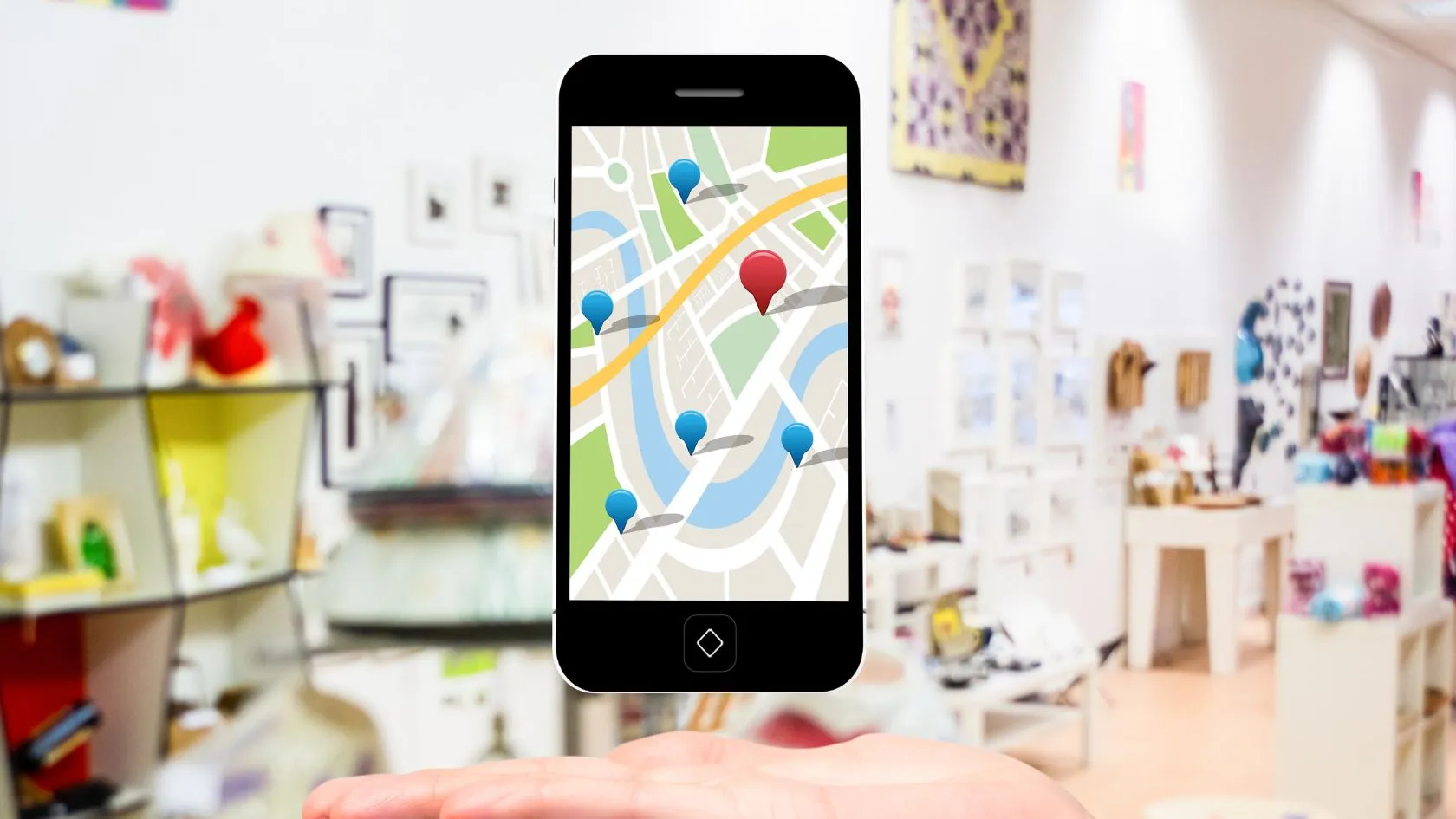
When someone searches for "plumber in Verona" or "B&B on Lake Garda", Google does not show websites first. It shows a map with three businesses highlighted. Those three boxes take a large share of the clicks. If you are not there, your website stays invisible at the exact moment that matters, however well it is built.
I build websites and handle SEO for small businesses in Italy, and a well-kept Google profile is the foundation everything else rests on. Here is how to get yours in shape, step by step, without the fluff.
What Google Business Profile is and why it matters
Google Business Profile (formerly Google My Business) is your business's free listing on Google Search and Google Maps: the one with your name, opening hours, phone number, reviews, photos and a button for directions.
It matters for a simple reason: it catches searches with immediate intent. Someone looking for a service "near me" usually wants to buy or book now, not in two weeks. Showing up in that box means being found exactly when the person is ready to spend.
The profile does not replace your website. It feeds it. The listing grabs attention on the map, the website turns curiosity into an enquiry. They work as a pair, never alone.
Fill in everything, leave no gaps
Google rewards complete profiles, and customers trust a business that clearly says who it is. Most of the listings I open have empty fields. Filling them is the first fix, the fastest one and the most underrated.
- The exact business name, the same as on your sign and website (no keywords stuffed in: it breaks Google's rules).
- The right primary category, plus the relevant secondary ones.
- An address and service area that match where you actually work.
- Up-to-date opening hours, holidays included: wrong hours mean a lost customer and a negative review on its way.
- A phone number and website link that work.
- A business description written for a person, not for the algorithm.
- Services and products listed in the words your customers use.
Reviews: the factor that moves the needle most
Reviews are the trust capital of your listing. They count for your position on the map and, above all, for the final decision of whoever is weighing you up. You do not need an aggressive campaign. You need a simple method you stick to.
Ask for the review at the right moment: right after a good experience, while the customer is still happy. Make it easy. A direct link sent by message or a QR code at the till removes the friction. And always reply, to the good ones and the bad ones.
Weak reply: "Thanks so much!" under every review, the same for everyone.
A reply that builds trust: thank the person by mentioning a specific detail of their visit, and when it is a complaint, acknowledge the problem and explain what you changed. Readers do not only look at the stars. They look at how you react.
Photos and posts: keep the profile alive
An up-to-date profile tells people the business is active and cared for. Photos are often the first thing someone looks at: the outside so they recognise you from the street, the inside, the products, the people at work. Replace generic images with real photos, taken properly.
Google posts (offers, news, events) keep the listing fresh and give you one more place to get noticed. You do not need to post every day. You need a pace you can keep up over time.
If you are rebuilding your online presence from scratch, the Google profile and the website should be planned together. I explain how I work on my services page.
Categories and services: get found for the right searches
The primary category is one of the strongest signals for which searches you appear in. Get it wrong, or pick one that is too generic, and you are cut out of the queries that count. Start from the service with the best margin and check which category your competitors who already rank well are using.
Then fill in the services section with your customers' real words. If you offer "boiler repair", write exactly that: it is the phrase people type, not your internal jargon.
How the profile works with your website
This is the point many people miss. The profile gets you found; the website turns that visit into a contact. If the listing is perfect but sends people to a slow, confusing homepage with no clear way to book, you are pouring water into a leaking bucket.
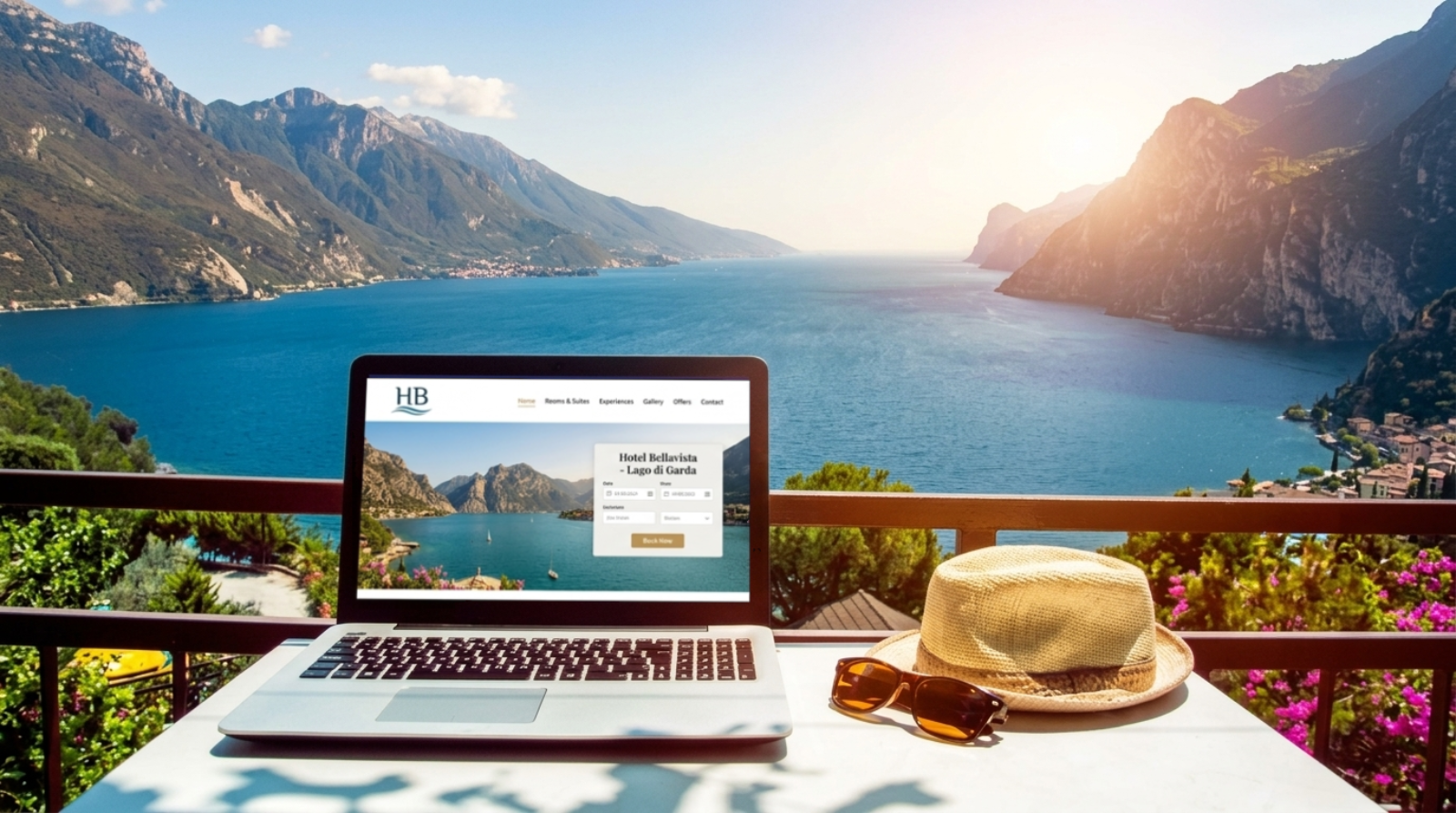
The details on the listing and on the website must match exactly: same name, same address, same phone number. Google cross-checks this data, and consistency helps your local ranking. It is the same principle I applied to the SEO-optimised website for a B&B on Lake Garda: a well-kept profile and a site built to bring in enquiries, not just to look good.
If you want to look beyond the profile, I have put together a wider picture in my local marketing strategies that small businesses overlook.
The mistakes I see most often
- A profile created and then abandoned: no updates for months.
- Opening hours not synced with holidays and one-off closures.
- Negative reviews ignored instead of being turned into proof that you take things seriously.
- A wrong or vague category.
- A listing disconnected from the website, or linked to a website that does not convert.
None of these needs a budget. They need method and consistency. That is exactly the kind of work that brings real results without spending a cent on advertising.
Frequently asked questions
How long does it take to see results on Google Business Profile?
The first changes in visibility usually show up within a few weeks of completing the profile and starting to collect reviews regularly. It is not a switch. It is work that builds up month after month.
Is Google Business Profile still free?
Yes, creating and managing the profile is free. There are paid tools for monitoring reviews and rankings across several locations, but a single local business does not need them to get started.
Is the Google profile enough, or do I need a website too?
The profile gets you found, but it rarely closes the deal on its own. The website is where you explain your value, answer objections and collect the enquiry. Together they deliver far more than either one alone.
How do I handle a negative review?
Reply calmly and quickly, acknowledge the problem, explain what you did to fix it and move the conversation to a private channel. Readers mostly judge how you react, not the single rating.
Want a Google profile that brings in enquiries and a website built to turn them into customers? I can help you put both in order and make them work together.
Tell me about your business and I will tell you where to start.
Free resources to download (in Italian)

Ekaterina Ponchak
I build websites and custom web apps, and I handle SEO and digital marketing for Italian small and mid-sized businesses. I turn an online presence into real enquiries.